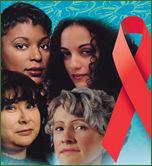
World AIDS Day 2010 = HIV Prevention

This World AIDS Day, South Africans are reminded that many of us continue to acquire HIV infection on an annual basis, hence the focus is on renewing HIV prevention efforts this year.

This World AIDS Day, South Africans are reminded that many of us continue to acquire HIV infection on an annual basis, hence the focus is on renewing HIV prevention efforts this year.
The case of Gary Allpass, which is currently being heard in the Labour Court in Johannesburg, is an unfortunate reminder of the discrimination that people living with HIV and AIDS still suffer in the workplace.
A cadre of about 65 000 men and women work in the public health sector under various titles. Commonly known as community health workers, they are often the foot soldiers and the eyes and ears of the health department at grass-roots level. But there are concerns that this cadre of health workers is not appropriately recognised '€“ both in terms of payment and the development of further career prospects.

Thirty years into the HIV epidemic, women of the world are still at a higher risk of contracting HIV infection than men, although the latest figures by the United Nations show that overall infection levels have dropped significantly over the last 10 years.

The Health Department has returned a whopping R813 million to the Treasury'€™s coffers after failing to spend the money on much-needed infrastructure such as new clinics and hospitals and rejuvenating collapsed infrastructure.

Many Free State children need effective pain management for various conditions. The Sunflower Children'€™s Hospice in the Free State province shows that the vast majority of these are children living with HIV and AIDS.

Results of the 20th antenatal surveillance survey, which were released this week, show that South Africa'€™s HIV epidemic is not gaining nor is it slowing down. But does this mean that the country'€™s efforts in combating HIV are paying off?

Tshwane is home to over 80 000 AIDS orphans, while 30 000 residents need antiretroviral therapy. This is according to a comprehensive survey conducted in the municipality. The report also suggests that the uptake of counseling and testing services is low - even in the midst of a massive HIV Counseling and Testing (HCT) campaign that government instituted in April.

The development of children orphaned as a result of AIDS is at greater risk of health and social ills, conference is told.

At the heart of the National Health Insurance system is the desire to afford all South Africans access to better quality health care. The system seeks to move from the current health care model and employ one which will be based on the system of primary health care.

As the donor community retreats from funding AIDS programmes in developing nations, donor-aided countries are being forced to dig deeper into their own pockets to sustain care and treatment services for its citizens. South Africa is no exception.

The Junior Doctors Association of South Africa (JUDASA) argues that the ills that afflict the country'€™s public health system are largely the result of poor management. With the National Health Insurance (NHI) scheme, the quality of people appointed to manage hospitals will determine the success or failure of the system.