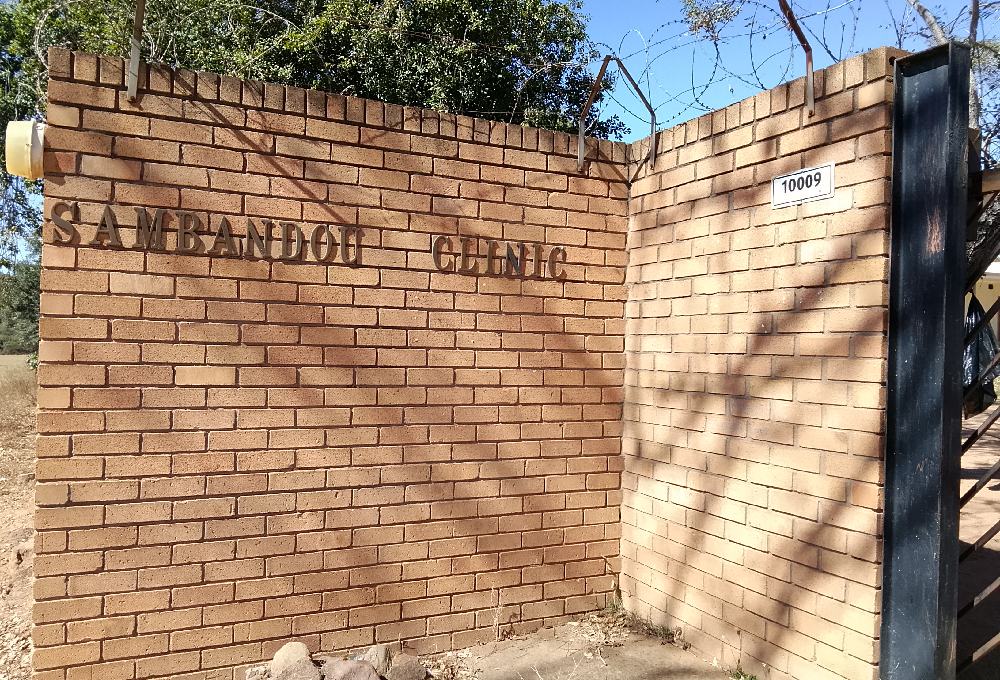
Sambandou Clinic suspends 24-hour services after nurse assault
This is not the first incident of this nature at Sambandou Clinic, staff say they continuously live in fear as criminals do as they please.

This is not the first incident of this nature at Sambandou Clinic, staff say they continuously live in fear as criminals do as they please.

Mental health challenges among young people in the area are deeply rooted in broader social and economic issues.

Not long ago, a woman gave birth at the Siloam taxi rank after being told there are no ambulances available.
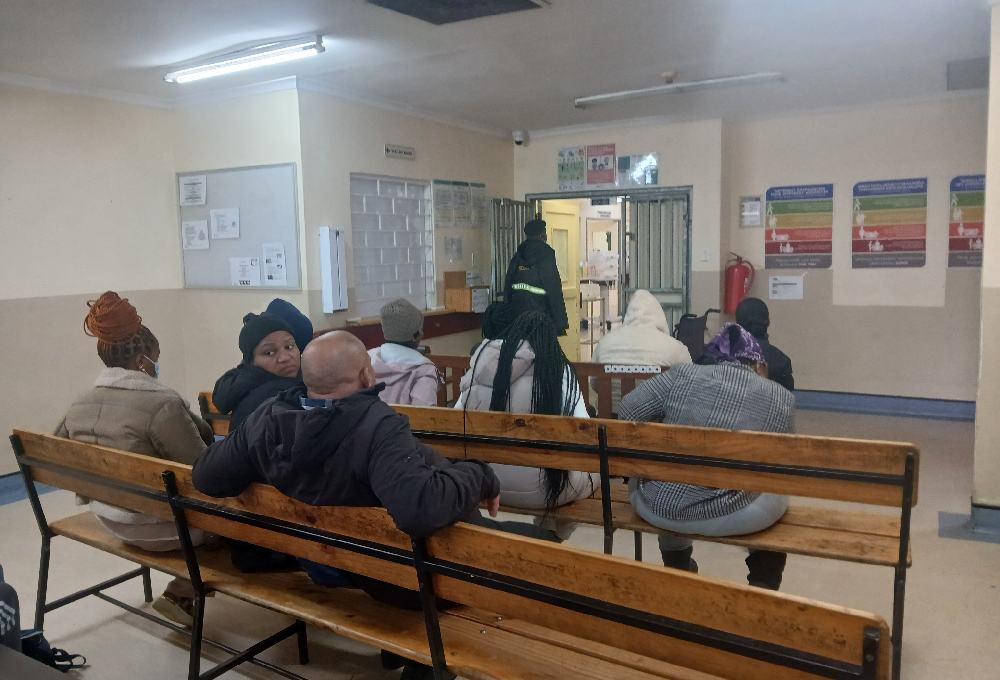
Residents say they are subjected to unreasonably long waiting times at Gugulethu CHC.
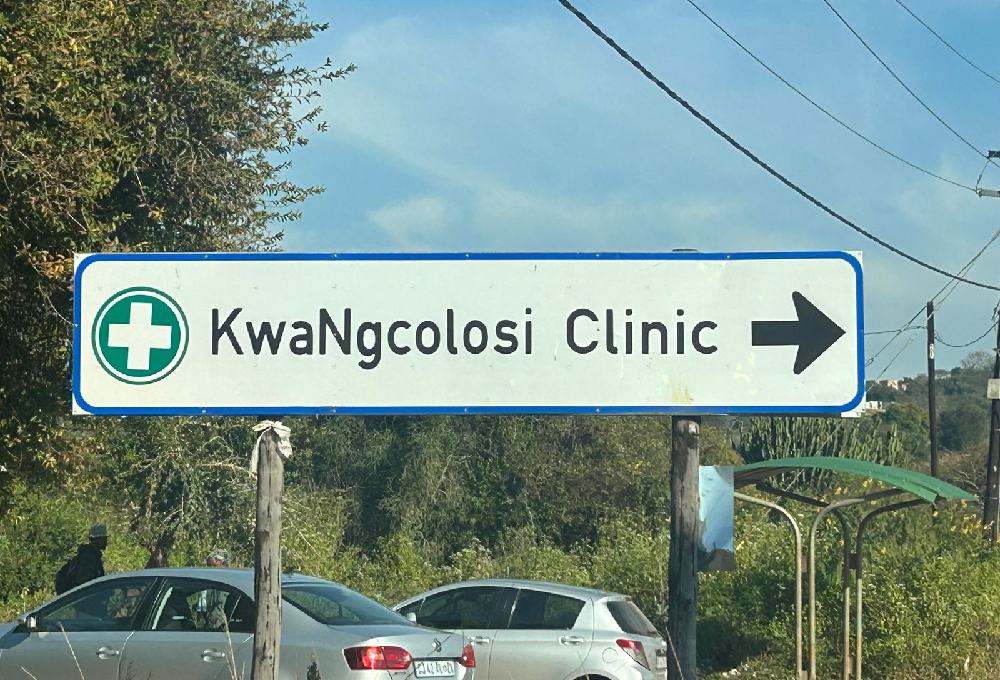
The clinic building is in a state of disrepair with large holes and structural cracks that allow rainwater and snakes to enter.

Grief is not a straight road. For some, it leads to anxiety. For others, depression.

Having a valid ID is also key to people accessing social grants, leaving the undocumented elderly in a particularly vulnerable position.
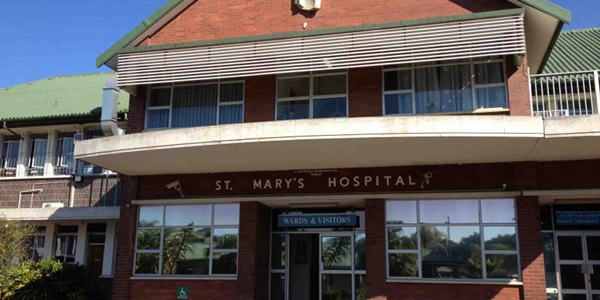
Staff told her her cervix was dilating and that a miscarriage was likely. Despite her distress, she says she was asked only to sit and wait.
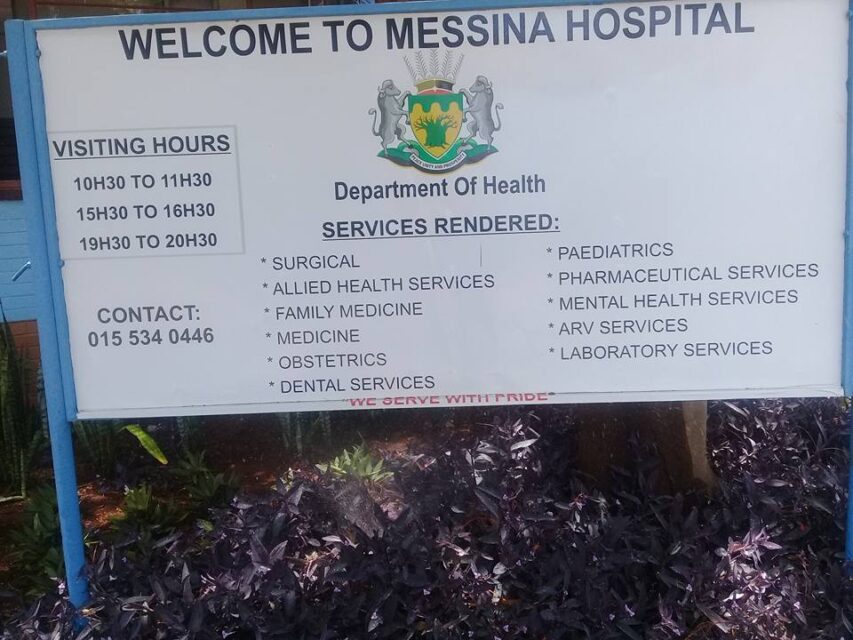
The family believes that medical negligence may have been influenced by her previous miscarriage at the same hospital.

Hewu Hospital is facing a severe nursing staff shortage.
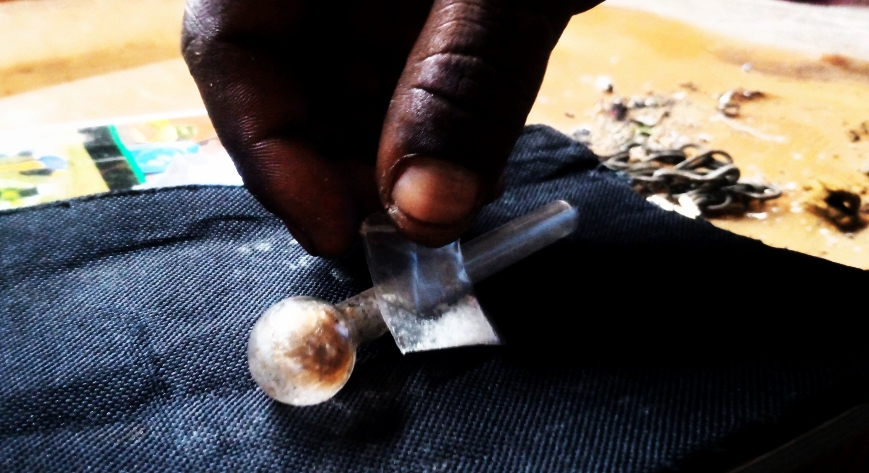
Dlamini now walks the streets of KwaMashu in Durban, going from house to house, meeting young people who are caught in addiction.
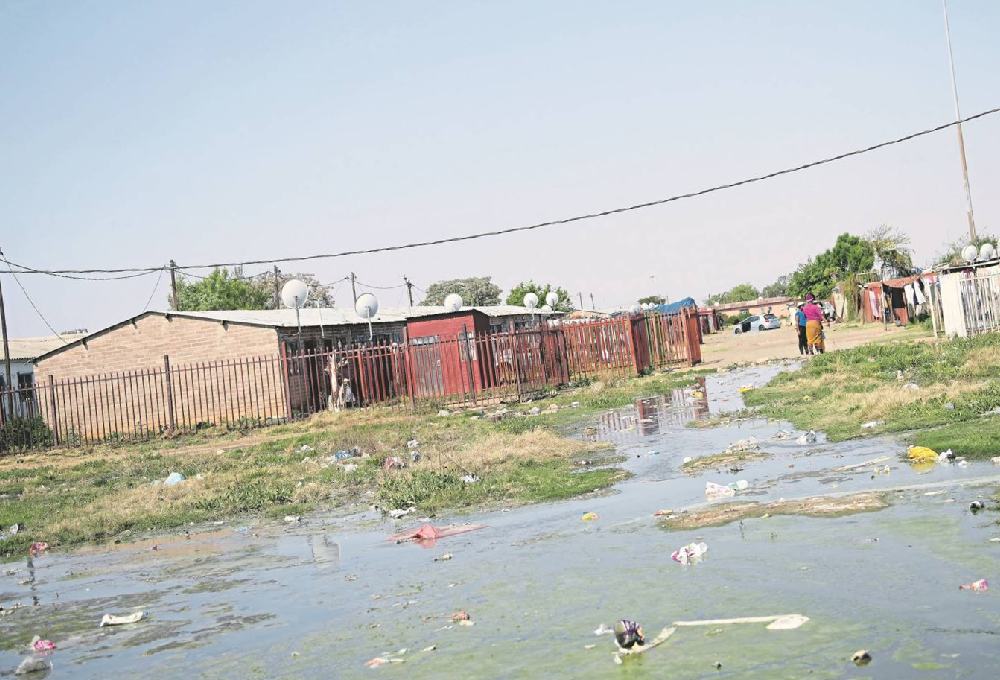
It is reported that the rapid growth of the mining town affected the ailing infrastructure.

The municipality says the sewer spillages in Stinkwater are caused by a sewer pump station that is not operational due to vandalism.

Among the closed facilities are clinics and state morgues in Botshabelo, Phuthaditjhaba and Bloemfontein, where services are partially operating.

Residents say human excrement and foul-smelling water constantly flow through their yards and streets.