Old Transkei is international cancer “hot spot”

The Eastern Cape’s former Transkei region has one of the world’s highest rates of oesophageal cancer, sharing the unenviable title of “oesophageal cancer hotspot” with regions in Iran and China.


The Eastern Cape’s former Transkei region has one of the world’s highest rates of oesophageal cancer, sharing the unenviable title of “oesophageal cancer hotspot” with regions in Iran and China.

Smokers can expect to have thinner wallets as the excise tax on cigarettes is expected to increase by 59 cents after next week’s budget announcement, according to the National Council Against Smoking (NCAS).
What we do not know about cancer could be killing our kids as experts estimate at least 500 children die annually in South Africa from cancer without receiving any care.

High blood pressure, diabetes and other “lifestyle diseases” are no longer just for the rich and are wreaking havoc among South Africa’s poor.
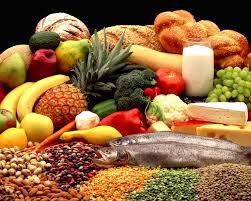
On the heels of World Cancer Day, Health-e brings you six changes you can make in your life now to reduce your risk of cancer from South African cancer expert, Dr. Vikash Sewram.

To mark World Cancer Day and its theme "Debunking the Myths," Health-e looks at five cancer myths and what you need to know about them.

South Africa faces a tsunami of cancer in coming years if the country does not act to curb a rising tide of cancer cases, said Dr. Vikash Sewram, director of Stellenbosch University’s African Cancer Institute ahead of World Cancer Day.

Southern Africa continues to shoulder a disproportionate amount of the world's cervical cancer deaths, according to a recent World Health Organisation (WHO) report that estimates about 19 million people globally will be diagnosed with cancer annually by 2025.

Medical research in South Africa is set to get a R370 million boost for the development of new medicines, vaccines and other technologies to fight against HIV and AIDS, tuberculosis (TB) and malaria.

Increasing tobacco taxes is the single most powerful way for low- and middle-income countries to reduce deaths and disease from non-communicable diseases (NCDs) such as cancer and heart disease, according to international experts.

Stellenbosch University recently launched the African Cancer Institute (ACI) to build African countries’ abilities to prevent, diagnose and treat cancer. Health-e caught up with ACI’s director, Vikash Sewram, to find out how the institute plans to achieve this bold objective.

A low-cost, point-of-care test to detect cervical cancer may be available in South Africa by 2018.