World Health Organisation calls for treatment for all

In a landmark move, the World Health Organisation (WHO) has recommended that all people living with HIV be started on treatment as soon as possible following diagnosis.


In a landmark move, the World Health Organisation (WHO) has recommended that all people living with HIV be started on treatment as soon as possible following diagnosis.

For the next 15 years, the newly adopted Sustainable Development Goals will guide what donors fund and what countries push – and the world may just take a page from Africa’s playbook as it pursue universal health coverage.

In South Africa, all uninsured pregnant and breastfeeding women and children under six are entitled to free health care. But amid confusing provinicial policies, some health care workers may have unwittingly become a law unto themselves with dire consequence for immigrants and their children.

The South Gauteng High Court has ruled to allow the Treatment Action Campaign and Sonke Gender Justice to give evidence at an upcoming hearing that could pave the way for the country’s first class action suit against the gold industry.

Health and gender activists are likely to know by the week’s end whether they will be able to testify in what could be the country’s first class action case against the gold industry.

Despite the current hype about Women’s Month, no one is more likely to be hungry than the women of this country.

South Africa may join just ten countries in the world that provide antiretrovirals (ARVs) to people living with HIV upon diagnosis as new research spurs activists to demand immediate treatment for all people living with HIV.

Employees at the National Health Laboratory Services’ (NHLS) Sandringham office embarked on a lunchtime picket earlier today as they continue to push for a wage increase.
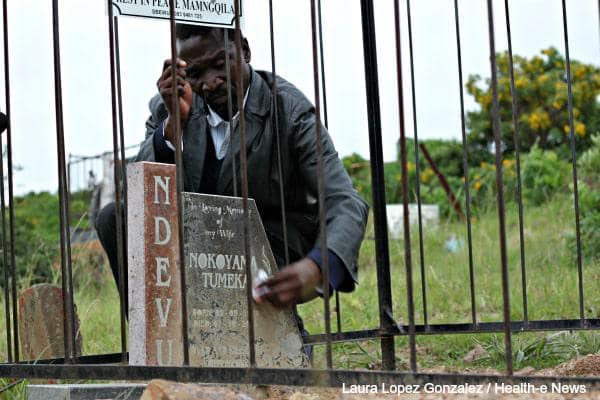
Pensioners living in rural Eastern Cape villages say they have never seen an ambulance in their lives as a deadly combination of poor management and budget shortfalls keeps ambulances out of rural communities.

With more than one in 10 health facilities nationally reporting a drug stock out in the last nine months, this year’s SA AIDS Conference may have been more about what’s missing than what’s been done in the country’s HIV programme.

With 3.1 million people on antiretrovirals (ARV), South Africa has the world’s largest ARV programme, but sustaining it – and the HIV response – will more than double in the next two decades, according to new research.

In just four years, South Africa has seen a 40-fold increase in health facilities treating drug-resistant tuberculosis (DR-TB) as government pledges more than R130 million for new medicines.