
As infection rise, North West hospital ends visits
Fearing cross-infection, Klerksdorp hospitals ends visits, but uses cellphones to connect patients with loved ones.

Fearing cross-infection, Klerksdorp hospitals ends visits, but uses cellphones to connect patients with loved ones.

South Africana women are facing twin pandemics this Women’s Day, as they face continued abuse at the hands of South African men and the coronavirus pandemic.

With two small children, Health-e News reporter Marcia Zali had a strict routine. Then came lockdown, and her work-life balance unravelled.

As South Africa celebrates Women’s Day on 9 August, transwomen remain excluded even as they face the same threats and oppressions as cishet women, writes trans activist Ruby Nkosi.

But the local education department and various school governing bodies have decided to give children take-home food hampers instead.

Cansa launches telephonic counselling for patients left frustrated by the Covid-19 pandemic, affecting their treatment and support. Cancer patients are physically and emotionally vulnerable to effects of lockdown.

The lack of personal protective equipment causes increased stress and anxiety for doctors; a new study shows.

The lockdown has impacted on South Africa’s ARV treatment programme, delaying the South African National Aids Council national strategy. Yet, Covid-19 has also brought with it innovations in treatment and prevention for HIV, TB and STIs.
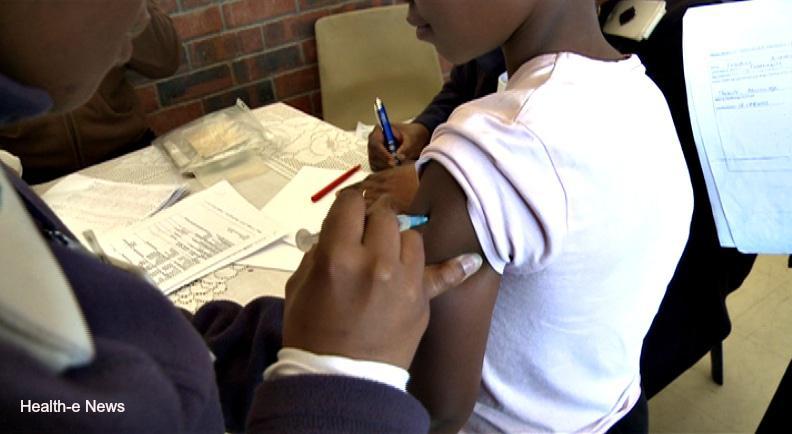
The Covid-19 lockdown could be a double threat to young children: disrupting scheduled immunisation efforts and threatening nutritional security.

The news that the University of Oxford has developed a coronavirus vaccine that appears safe and has triggered an immune response, is an encouraging step toward returning to normality. It also provides the opportunity to join forces to tackle the pandemic and highlight Africa’s scientific leadership writes Professor Kelly Chibale.

World Health Organization recommends mothers with suspected or confirmed Covid-19 should continue to breastfeed and should not be separated from infants.

Government is encouraging traditional leaders to become involved in the fight against Gender Based Violence, especially in rural areas where some customs violate the human rights of women.

As part of the CSIR cybersecurity team, Thabo Mahlangu has kept South Africans safe from digital attacks. Speaking to Jamaine Krige, Mahlangu explains the importance of young scientists in developing real-world solutions.

Almost 60 percent more people have died in recent weeks from natural causes suggesting that the Covid-19 death toll is higher than officially recorded. This is according to the latest data released by the SA Medical Research Council.

Children need to be removed from classrooms immediately – as one life lost is one life too many, writes Douglas Ngobeni, COSAS spokesperson