
Limpopo boy defies stigma
A four-year old Limpopo boy is breaking stigmas around disability.

A four-year old Limpopo boy is breaking stigmas around disability.

Over the heritage day weekend this year, the Rural Doctors Association of Southern Africa, Rural Rehab South Africa and the Professional Association of Clinical Associates met in Dullstroom, Mpumalanga, for the annual Rural Health Conference and AGMs.

As doctors increasingly using genetic tests to predict future health, some might not like what they find gazing into science’s new crystal ball.

The country should move to promote self HIV testing, according to South African National AIDS Council HCT Advisor Rev Zwoitwaho Nevhutalu who spoke at a recent meeting of the Mpumalanga Provincial AIDS Council.

The poor access to emergency medical services in the Eastern Cape may be tantamount to a denial of the right to health, according to a South African Human Rights Commission report released yesterday. We look at what this means for life and death in the province in this photo slideshow.

In a landmark move, the World Health Organisation (WHO) has recommended that all people living with HIV be started on treatment as soon as possible following diagnosis.
This 46-page document aims to guide the implementation of health promotion programmes in South Africa.

Amid a dire shortage of ambulances in the Eastern Cape patients’ lives are at risk as many calls for help go unanswered. A new Health-e News documentary, Dying In Our Homes, reveals the impact on the lives of rural families.

Born into a world of silence, most deaf children will only learn sign language at the age of six – if they are lucky. Years of silence may take their toll on small children during a crucial time in their development.

The earlier deafness can be diagnosed, the better but it takes parents and teachers to know the signs and government to make screening mandatory, according to Likho Bottoman of the nongovernmental organisation Hi Hopes, which works with deaf children and their families.
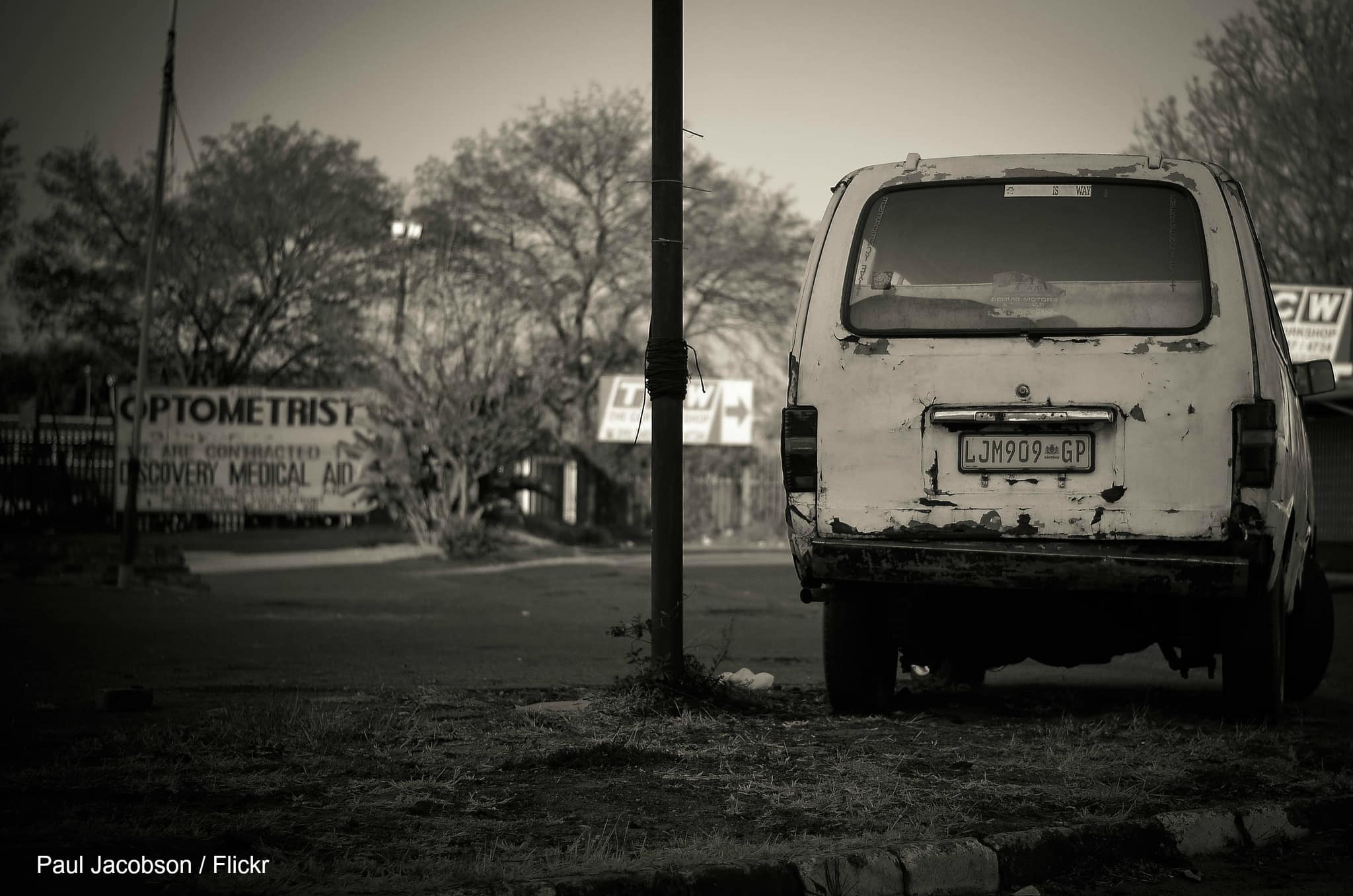
When you spend long hours behind the wheel of a taxi, eating right can be the last thing on your mind but that is why a Tshwane clinic may have found an unlikely ally for a recent health promotion campaign.
The 24-page document provides a structure for managing antimicrobial resistance, limiting drug-resistant infections and improving patient outcomes.

When it started, volunteers named it “Boithato,” or “love” in Sesotho. Almost five years later, one of Mpumalanga's few projects aimed at prevention HIV among men who have sex with men (MSM) has shuttered its doors but for many men, it may have left a legacy of love.

Absa Bank and the University of Venda have partnered to invest more R350,000 in the university’s first football league.

Produced by the Centre for Disease Dynamics, Economics and Policy, the 84-page report argues increasing income and demand for animal protein and the use of antibiotics within agriculture are fueling antibiotic resistance globally.