Young Americans have more risky sex than South Africans
Despite the high rate of HIV, research has found that young South Africans have less risky sexual behaviour than young people from the USA.

Despite the high rate of HIV, research has found that young South Africans have less risky sexual behaviour than young people from the USA.

Recognising the need to improve child health, KwaZulu-Natal became the only province to scrap the provision of free formula milk in favour of promoting exclusive breast-feeding among pregnant women attending government antenatal facilities at the beginning of the year. By so doing, the province set the national agenda.
In a strong move to encourage breast-feeding as a key intervention to promote child survival, the national Health Department has decided to promote exclusive breast-feeding for the first six months of an infant's life even for those with HIV-positive mothers.

South Africa will move to an exclusive breastfeeding strategy and discontinue the practice of providing formula feed through hospitals and clinics, health minster Dr Aaron Motsoaledi announced yesterday (TUES).
HIV/AIDS and other communicable diseases such as tuberculosis and malaria have dominated the headlines and received much of the world attention for several years - And rightly so.

Formula feed for infants should only be handed out if prescribed by a medical doctor, health minister Dr Aaron Motsoaledi told a meeting on breastfeeding today (MONDAY).

The community of Soweto, the sprawling township to the south of Johannesburg, has welcomed the rollout of medical male circumcision in the area.
Children's participation in decisions that affect them is essential for improved service delivery, the latest South African Child Gauge 2010/2011 has revealed.

South Africa / Johannesburg, Aug 12, GNA ' Ms Patricia Lambert, Director of International Legal Consortium for Campaign for Tobacco - Free Kids, has urged the Government of Ghana to consider the health of her people and speed up the tobacco control legislation.
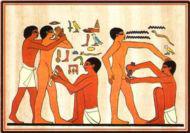
As part of the country's effort to roll out medical male circumcision in a bid to reduce HIV infection among men, the Gauteng Health Department has set itself a target to circumcise about 125 000 men by March next year.

Pregnant women seeking healthcare in Eastern Cape government facilities are facing abuse and substandard care placing them at high risk of death and injury, a Human Rights Watch (HRW) report has revealed.

Every electoral ward is set to have a primary health care, nurse-driven team established as part of the National Health Insurance (NHI) system and specialist doctor teams will be assigned to districts where maternal and child mortality is high.

Medical male circumcision has helped reduce HIV acquisition among men in the Orange Farm area, south of Johannesburg, by about 76% since the rollout of the intervention three years ago.

Can vaccinating pregnant women against the flu protect their newborn babies from getting the influenza virus? Well, that's exactly what a clinical study in three countries, including South Africa, wants to find out.

South Africa's health system is on the brink of a dramatic change, with the National Health Insurance White Paper expected to be considered by Cabinet this week.