
Drinking, smoking and TB
Grace Shabangu has been drinking and smoking more than half her life, will developing tuberculosis (TB) give her the will to change?

Grace Shabangu has been drinking and smoking more than half her life, will developing tuberculosis (TB) give her the will to change?

When the voices stop and their thoughts become their own again, people with schizophrenia may be ready to leave psychiatric facilities - but the next step may be anyone’s guess.

We’ve been told that everything from baby bottles to Brazilian Blowouts can cause cancer. Now, Health-e News separates cancer fact from fiction.

From coffee to antiperspirant, everyday items are increasingly under scrutiny about whether they could cause cancer. Our Wilma Stassen reviews the evidence.

Student nurses are filing into Limpopo’s Guyuni Clinic to lend a hand during the festive season.
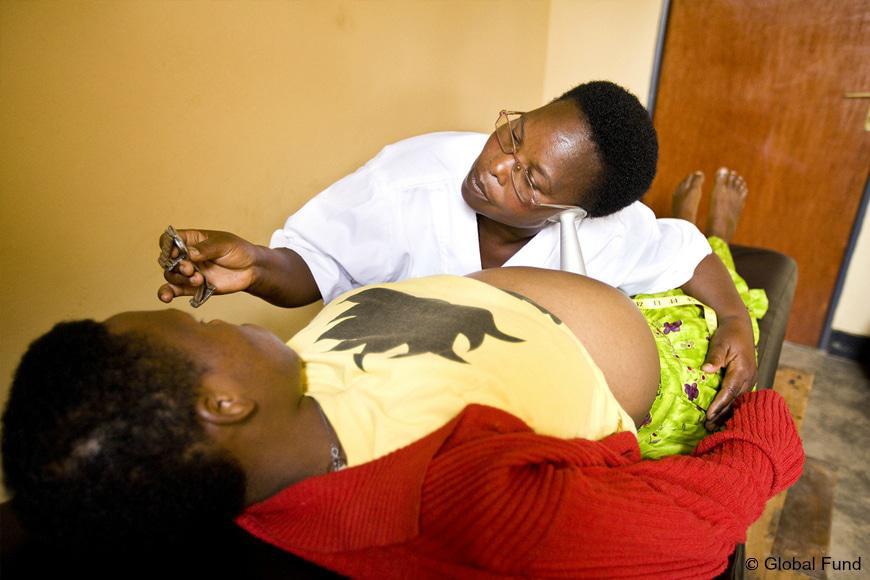
When Magie Mukwevho became the manager of Limpopo’s Tshiungani Clinic, residents say the clinic was in shambles. One woman made all the difference, say patients as Mukwevho retires four years later.

The Treatment Action Campaign (TAC) is taking health education to pupils in the rural Eastern Cape.

As the weather heats up and families move poolside, the number of drownings are set to spike, warns private emergency medical services (EMS) company Netcare 911.

As December continues, some South Africans are likely to be spending end of the year bonuses on booze in what the World Health Organisation (WHO) has dubbed one of Africa’s hardest drinking nations.

Recently the Villalissa Support Group based in Johannesburg’s East Rand threw a Christmas party for orphaned and vulnerable children, but the NGO is the third in as many months to complain about decreased funding.

Avelile was born with HIV. Now, the teenager from rural Eastern Cape never misses a dose of her antiretrovirals (ARVs) – and has become an example to her community.

This year's annual report by the University of Cape Town's Children's Institute focuses on the impact of violence on South Africa's children.

Martha and her 17-year-old daughter are living with HIV. When they come to the Kopano Lerato centre, they feel accepted and supported. Now, the community-based organisation is in danger of closing.

Without running water, residents of one rural Mpumalanga community say they are left to beg for water at the gates of a local school where they say security guards often turn them away empty handed.

At least two villages in Limpopo’s Mutale Local Municipality depend on municipal water trucks to survive but now villagers are claiming the trucks are delivering dirty water.