
#LockdownSA: Child hunger on the rise
“The most painful feeling any parent can ever experience is to tell your children that there’s no food at home and there’s nothing you can do,” says 53-year-old Tendani Tseisi, a struggling father from Limpopo.

“The most painful feeling any parent can ever experience is to tell your children that there’s no food at home and there’s nothing you can do,” says 53-year-old Tendani Tseisi, a struggling father from Limpopo.

The lockdown has impacted on South Africa’s ARV treatment programme, delaying the South African National Aids Council national strategy. Yet, Covid-19 has also brought with it innovations in treatment and prevention for HIV, TB and STIs.

Phuthanang Mental Health Institution fulfils an important role in the Botshabelo community, and recently received a Covid-19 protection boost via the Positive Action Campaign and the National Association of People Living HIV/AIDS.
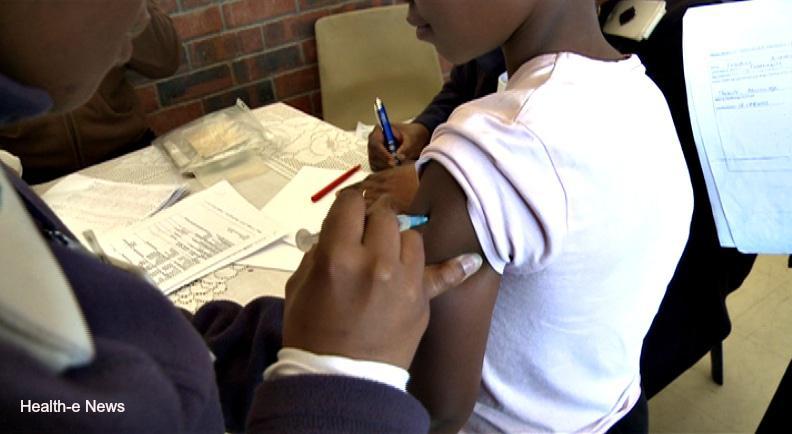
The Covid-19 lockdown could be a double threat to young children: disrupting scheduled immunisation efforts and threatening nutritional security.

The 4.9% increase comes into effect as many citizens grapple with Covid-19 related financial woes.

World Health Organization recommends mothers with suspected or confirmed Covid-19 should continue to breastfeed and should not be separated from infants.

Staff say that a Covid-19 infection surge in the staff and patient population, coupled with a previous lack of personal protective equipment is not conducive to the treatment of Covid-19 patients.

“Modern science alone cannot be taken as the only method to fight the pandemic,” says Dingaka Association of North West president, Annah Rabotapi.

Researchers looking into the influence of the food and beverage industry on South Africa’s policy-making state that “increased transparency, disclosure, and awareness of industry strategies,” is needed to stop undue influence on the country’s public health programmes and policies.

Recently, Minister Nkoana-Mashabane launched 2020 Women’s Month, which will prioritise both how Covid-19 affects women, and the rising rates of gender-based violence during the country’s national lockdown.

The Chiawelo Community Practice is an example of how a focused healthcare system and good record-keeping can lead to quality care for all – and Professor Shabir Moosa wants this model to take root across Gauteng.

Although Namadzavho Kutama launched a formal complaint against the hospital last year, she’s yet to receive any updates from the Donald Fraser Hospital.

A bungle, that is being blamed on the Covid-19 pandemic, led to a heartbroken East London family being told the wrong body had been released to them, one week after the funeral was held.

A campaign in the Western Cape aims to increase awareness about the importance of wearing masks amidst the pandemic and it has also brought the community together.
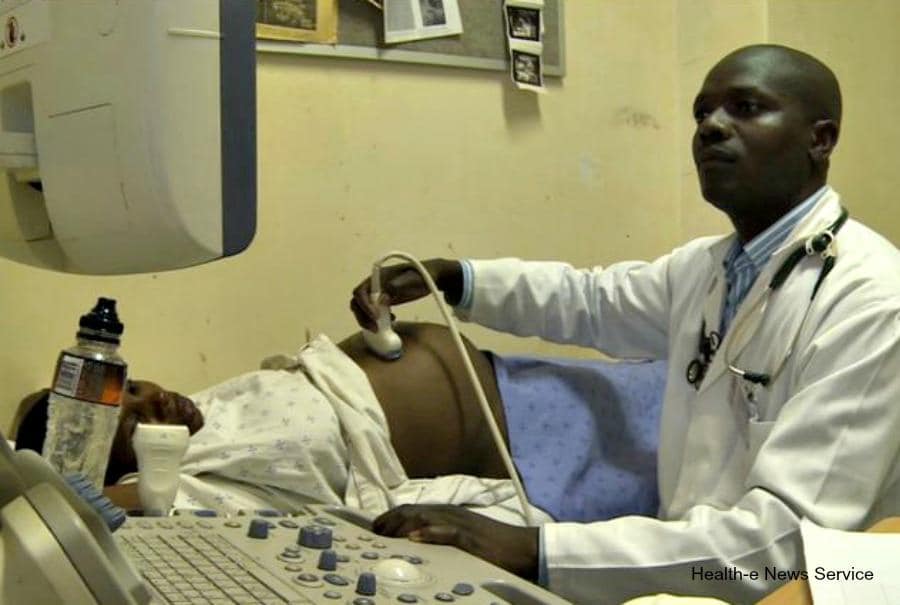
Maternal healthcare has been put on the backburner, as the fear of contracting Covid-19 has left pregnant women without accessing antenatal clinic visits, says recent report.