
System fails women desperate for safety
Domestic violence survivors rely on shelters to help leave life threatening relationships - and navigate the obstacles of the criminal justice system.

Domestic violence survivors rely on shelters to help leave life threatening relationships - and navigate the obstacles of the criminal justice system.

Aids activist Elsie Simangele Mashego from Daantjie outside Nelspruit in Mpumalanga has died of cervical cancer.

As more parties refute industry's job losses claims, some argue the cost of inaction is much higher to society.

The beverage industry was in full force in Sandton this week, fuming about government’s proposed tax on sugary drinks. But government is standing firm, saying it has a duty to protect people’s health.
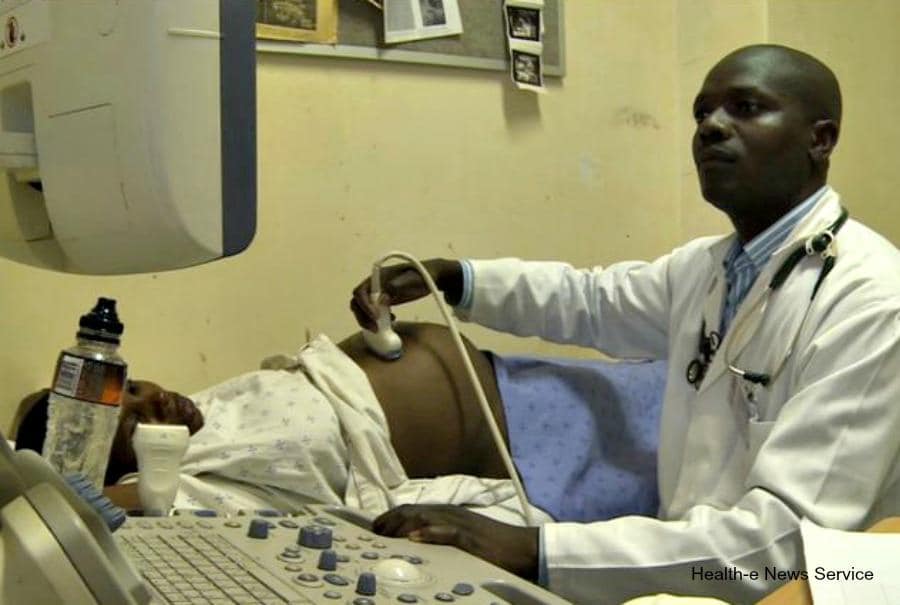
While women who test positive for HIV after discovering they are pregnant find the discovery difficult to accept, there is treatment available and they can still lead a full and normal life along with their child.

A new programme aimed at addressing the high mortality rate of children under five years old has been launched in the Eastern Cape – using puppets and educational play to teach small children basic healthcare that could save their lives. Siya Booi reports...

When the Gauteng Department of Health terminated its contract with private health service provider, Life Esidimeni, hundreds of mentally ill patients were placed in the care of people ill-equipped to look after them.

Tax sugary drinks, says government. Unfair discrimination, say beverage companies. What is the best way to address our fat nation?

The United Nations (UN) has called on governments of its member states to outlaw the marketing of unhealthy foods and drinks to children.

Apply now to be Health-e's new Project Manager if you meet the requirements below.

It protects the health of mother and baby, increases intelligence, and reduces behavioural problems among children.

Scientists have discovered the oldest evidence of cancer dating back millions of years.

We are on the brink of getting a new National Strategic Plan (NSP) for HIV, TB and STIs, and it is vital that the new plan avoids the mistakes of the past

The process of getting transgender declassified as a mental disorder took its first steps with a study conducted in Mexico City.

The odds are stacked against young women, making them continually at risk of HIV as long as society is dominated by men and relationships between young girls and older men are the norm.