
Health e News

A new COVID-19 variant has been detected in South Africa, scientists confirmed during an urgent briefing on Thursday afternoon The variant, currently known as B.1.1.529 exhibits a large number of mutations, according to researchers. This has raised concerns about its transmissibility, severity, and potential vaccine resistance. Professor Tulio de Oliveira said the variant had also been detected in Botswana and Hong Kong. Variant has increased in Gauteng “Early signs show that the variant has increased in Gauteng but may be present in most provinces. In South Africa we are seeing a rise in the reproductive number and this is important as it signified the start of the waves in the past, said De Oliveira. He said the variant displays an unusual constellation of mutations. “There are 10 mutations just at the receptor domain. And 30 mutations in spike protein. The full significance is still uncertain and that’s what we are

Climate change could pose huge obstacles in the fight against malaria given heavy rains and high temperatures – perfect conditions for the deadly disease to flourish. An article in the United Nations’ UN Chronicle, titled ‘Climate Change on Malaria – Complex Relationship‘, malaria kills approximately one million people. It also affect as many as one billion people in 109 countries throughout Africa and Latin America. An increase in temperature, rainfall, and humidity may cause a proliferation of the malaria-carrying mosquitoes at higher altitudes. This may result in an increase in transmission in areas in which it wasn’t reported before. The township of Mankweng in the Capricorn District in Limpopo, experienced flooding recently which could have a negative impact. Malaria-carrying parasites flock to such areas as breeding grounds. "Climate change will also affect infectious disease occurrence.” A number of diseases well known to be climate-sensitive, such as malaria, dengue fever, West

South Africa and the world will commence the Sixteen Days of Activism today on 25 November – International Day of No Violence Against Women. The Women’s Voice and Leadership partnership (WVL), coordinated by Gender Links, kicked off the annual campaign on 19 November, World Entrepreneurship Day. Coincidentally, that is also International Men’s Day. We aren’t convinced we need a men’s day since every day is pretty much that. We are convinced that until women have equal, fair and just access to economic resources we will be winning the battle and losing the war against gender violence. So what is new in 2021? Other than this being the second year of the COVID-19 pandemic – that has exposed this huge blight on our freedoms even further – earning gender violence the title of “twin pandemic” in President Cyril Ramaphosa’s family updates to the nation? First, is the fact that gender violence

South Africa has asked manufacturers of COVID-19 vaccines to delay delivery until next year as the country has sufficient stock, the Health Ministry said on Wednesday. Department of Health spokesperson Foster Mohale said the country has stocks to last it the next three months. “Our priority is demand creation to encourage more people to vaccinate ahead of the festive period. We are accelerating our efforts to reach more people ahead of the anticipated 4th wave to minimize its impact,” said Mohale. The government has been battling vaccine hesitancy and has been pulling out all the stops to boost the rate of administered doses. It launched weekend vaccines drives, pop-up vaccination centres, and partnered with community and traditional leaders to encourage more South Africans to get vaxxed. Vaccine hesitancy fight continues The latest official statistics show that 35 percent of South Africans are fully vaccinated. The government had set a target

An Argentine woman, diagnosed in 2013, has become the second documented person whose own immune system may have cured her of HIV. Researchers believe that the patient’s immune system appears to have cleared the virus on its own. The Annals of Internal Medicine said it required over eight years of follow-up and tests conducted on more than a billion of her cells in which no trace of the infection was found. Steven Deeks, an HIV researcher at the University of California in San Francisco, said her case was rather unique. “It’s not that she’s controlling the virus, which we do see. There’s no virus there, which is quite different,” Deeks told the Washington Post. The authors of the study published in the Annals of Internal Medicine believe that their findings will bring hope to the estimated 38 million people globally living with the virus and to the HIV-cure research field.

South Africa’s COVID-19 cases are beginning to climb as the government continues its drive to get 70 percent of the population vaccinated by the end of the year. The National Institute of Communicable Diseases warned there has been a spike in the 7-day moving average for new cases. In the past week, infections increased in Gauteng, particularly in Tshwane, the NICD said in a statement. The spike was evident among 10 to 29-year-olds. A cluster of infections was also identified among the 20-44 age group at a tertiary institute in Tshwane. “Localised increases in case numbers (clusters) are not unexpected, however, it is hard to say whether the increases indicate the start of a widespread resurgence.,” said NICD Acting Executive Director, Professor Adrian Puren. NICD monitoring trends Puren said they were monitoring the trends to see if the increases persist. The emergence of new SARS-CoV-2 variants had driven the previous

The COVID-19 pandemic has had a crippling effect on all women globally across every sphere; from health to the economy, security to social protection, and escalated poverty levels. However, few will argue that if it’s been tough for anybody, single mothers take first place. Mrs Phumzile Mlambo-Ngcuka, the former Executive Director of United Nations Women, summed it up well. “The COVID-19 pandemic is not just a health issue but a profound shock to the societies exposing the deficiencies of public and private arrangements that currently function only if women play multiple and underpaid roles.” The extent of the stringent lockdowns hit women badly as they saw an increase in roles and an extra burden of family care, but they fell disproportionately on single mothers, many of whom were already facing hidden challenges. According to the Gallup World Poll 2018, Sub-Saharan Africa has the highest percentage of single mothers worldwide, at

Around 50 percent of South Africans living with diabetes are unaware they have the disease, and the public health system cannot afford to treat them. Today is World Diabetes Day. The Inaugural Diabetes Summit heard that South Africa should focus on preventing diabetes in the population as the country cannot afford to treat everyone. It cost an estimated R2.7-billion to treat those who were diagnosed with diabetes in 2018. “If we were to treat everyone including those who are not yet diagnosed which is about 50% of the population, the estimated cost is close to R22 billion and this is the money that the health system currently doesn’t have. So if you don’t have the money to treat something then you’ve got to prevent it,” said Dr. Yogan Pillay, Country Director of Clinton Health Access Initiative (CHAI). Diabetes is a chronic disease that occurs either when the pancreas does not

South Africa may have to revise its target of vaccinating 70 percent of the population by the end of the year, said Deputy President David Mabuza during the launch of the Vooma vaccination weekend in the Eastern Cape. Speaking at the Nelson Mandela Bay stadium in Gqebhera in the Eastern Cape, Mabuza said the target now seemed like a “tall order”. South Africa is aiming to vaccinate 40-million South Africans against Covid-19 by the end of the year. The latest statistics show that 23.5-million South Africans have received at least one vaccine dose. ”It now looks far-fetched. it looks like we will have to revise the target. 70 percent seems a tall order judging by the time left now – we are in November and December is next month. The pace of vaccination has slowed down, and we think it’s mainly because of these conspiracy theories which are flooding social

National government is working closely with the provinces to ensure the country is prepared for the expected fourth wave of COVID-19. Briefing media on Friday, Health Minister Joe Phaahla said priority is being given to ensuring there is adequate oxygen supply, ventilators, beds and PPE available. When the third wave hit South Africa in June hospitals ran out of beds and oxygen. “AFROX has made contingency plans to ensure that we have enough oxygen when the fourth wave comes.” Phaahla said staffing is an issue as the additional healthcare workers employed to respond to the pandemic are on short term contracts. “We are in talks with the treasury to make more funds available to ensure we have required staff.” While the rate of new infections has slowed over the last four weeks, Phaala said a resurgence was imminent. The health minister said this resurgence would occur sometime between mid December

Health Minister Joe Phaahla said the local government elections held on November 1 have not caused a spike in COVID-19 infections as was feared. “We are pleased to report that indications thus far, 11 days after elections we have not experienced any super spreader events. This is after the election or the campaigns. Thus far not a single province or district has shown a spike in infection,” Phaahla said at an online briefing on Friday morning. He added that 70,000 people were vaccinated on election day as part of the partnership with the IEC where vaccination sites were set up near voting stations. Get Vaccinated He warned that the fourth wave is imminent and urged South Africans to come forward to get vaccinated. Phaahla said they were concerned about the low vaccination uptake in the 18 to 34 age group which is at 28 percent. “It is clear that fake
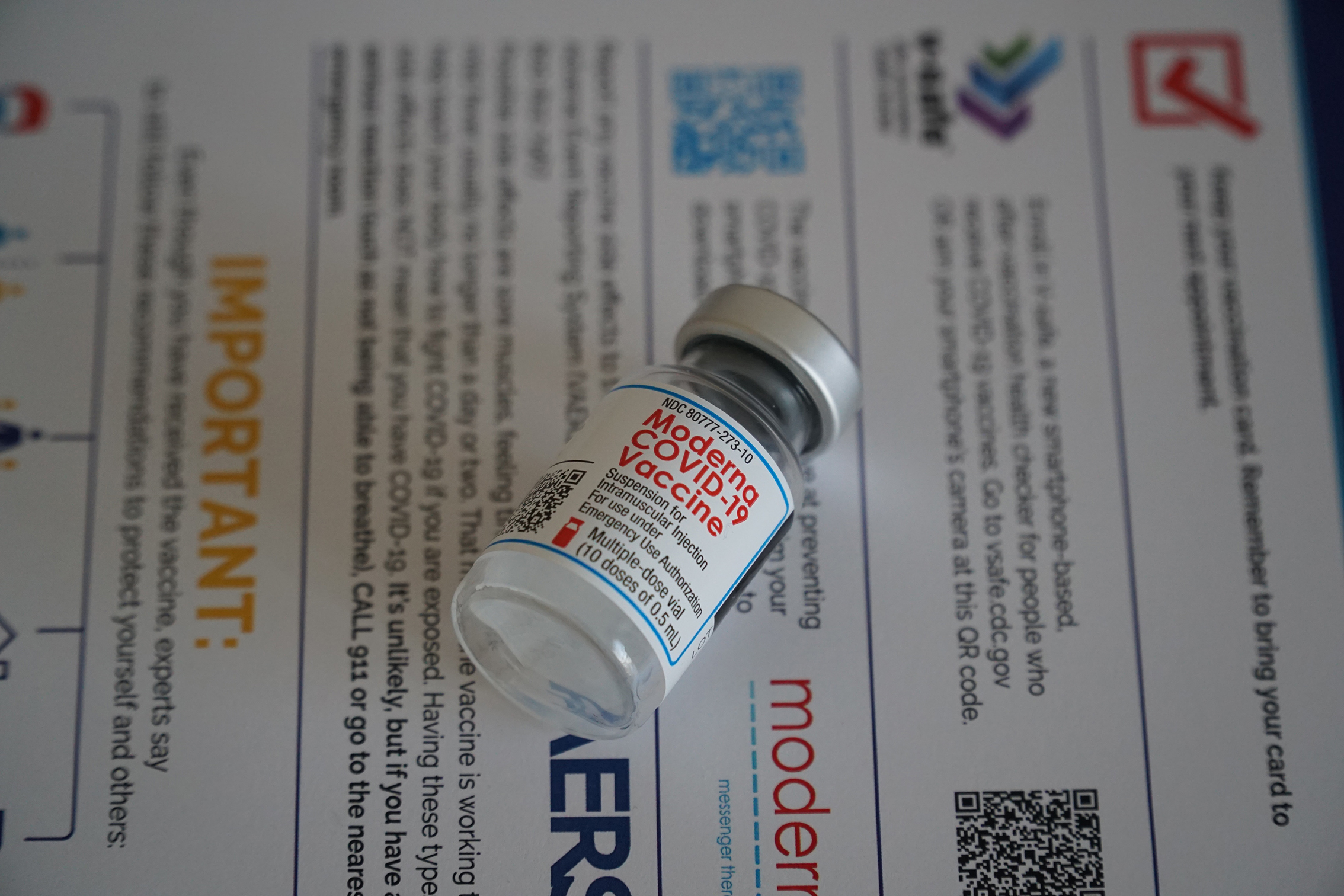
An international organisation, Médecins Sans Frontières (MSF), has called on COVID-19 vaccine manufacturing giants to share their technology with African countries. The lack of vaccine production capacity in African countries has exposed the continent’s vulnerability and has slowed the vaccine rollout. The United States have donated more than 50 million doses of COVID-19 vaccines to African nations with the continent only producing a mere 1% of vaccines administered. Egypt is currently the only country in African to produce the vaccine although South African and Algeria have announced plans to do the same. Secrecy concerns MSF, also known as ‘Doctors without Borders’, has raised concerns on secrecy behind the production of the vaccine. He emphasised that African countries can produce these vaccines much faster but pharmaceutical companies are not giving Africa the option to license and produce them. Alain Alsalhani, a vaccines expert with MSF’s access-to-medicines campaign, expressed his fears. “We